Mintel Menu Insights, which tracks US restaurant menus, (a division of Mintel, a leading market research company), forecasted that in 2009, “restaurants would include more Mediterranean -- encompassing the flavors of Spain, Italy, Greece and the Middle East.”
Though Mediterranean food is already relatively popular in the US, 2009 is expected to take the food trend to another level, bringing more authentic Mediterranean dishes and telling the story by creating a connection with the specific country of origin.
The Mediterranean can be divided into three culinary regions: North African (especially Morocco), Eastern Mediterranean (Egypt, Greece, Israel, Lebanon, Syria, and Turkey), and Southern European (Italy, France, Spain). Wine and herbs are central to Southern European cuisine, while spices flavor North African foods. The flavors tend to be robust and clear, unfettered by heavy dollops of cream and butter.
With the recent popularity of the “Mediterranean Diet”, food from this region of the world is seen as healthy and natural--with an abundance of fruits and vegetables, olive oil and fish, making them low in saturated fat and high in monounsaturated fat and dietary fiber. Red wine is also consumed regularly but in moderate quantities. And because the region uses their sheep and goats to supply dairy for their rich yogurts and cheeses, and the land cannot support large herds for beef, red meats are rare in Mediterranean cuisine.
The Mediterranean climate supports the growth of vegetables that can also be grown easily in many places across the U.S.--which means that they can be grown locally, sustainably and inexpensively. And since home cooking is preferred, it means the best recipes are easy to recreate with basic tools, so kitchens won’t have to stock unusual or complicated gadgetry – All good news for restaurateurs.
Friday, February 27, 2009


Wednesday, February 25, 2009
Cocktails and Mocktails Get Creatively Exotic– Part 2
As mentioned in our previous post, two different food business industry sources predicted an international trend in beverages, with restaurants and bars serving drinks inspired by tropical climes. We found that non-alcoholic beverages also seem to be following this trend--if our survey of websites with new recipes is any indication.
Mintel, a leading market research company, forecasted a rise in creative and alcohol-free cocktails for 2008, and believed that 2009 would feature an explosion of new drinks with interesting ingredients like ginger, cucumber, chili.
Flavor & the Menu similarly predicted a Latin trend in mocktails, and we’ve found evidence of all of this in several websites and publications.And for mocktails and other beverages, the trend toward interesting savory flavors was easier to substantiate.
We found one recipe that used a zest of Thai ginger, cardamom powder, and dried Thai chilies to contrast a tropical fruit smoothie. To make it an alcoholic beverage, the recipe recommended adding rum of tequila.
Another combined tarragon leaves and a slice of cucumber, with fresh lime juice, chilled chamomile tea and sparkling water for a refreshing cooler.
Then there are the Aguas frescas (Spanish for "fresh (or cold) waters") which are a combination of either fruits, cereals, or seeds, and sugar and water, blended together to make a refreshing beverage. Although they originated and are most common in Mexico, aguas frescas have also become popular in Central America, the Caribbean, and the United States.
Another type of drink is known as licuados, which are similar to an American-style smoothie, but use a milk base. Licuados may also contain nuts (such as Almonds or Walnuts) and sugar or honey. Variants include adding granola or using chocolate instead of fruit.
As a food business consultancy, we follow up on predicted trends to see help you plan and strategize for the benefit of your business.
Mintel, a leading market research company, forecasted a rise in creative and alcohol-free cocktails for 2008, and believed that 2009 would feature an explosion of new drinks with interesting ingredients like ginger, cucumber, chili.
Flavor & the Menu similarly predicted a Latin trend in mocktails, and we’ve found evidence of all of this in several websites and publications.And for mocktails and other beverages, the trend toward interesting savory flavors was easier to substantiate.
We found one recipe that used a zest of Thai ginger, cardamom powder, and dried Thai chilies to contrast a tropical fruit smoothie. To make it an alcoholic beverage, the recipe recommended adding rum of tequila.
Another combined tarragon leaves and a slice of cucumber, with fresh lime juice, chilled chamomile tea and sparkling water for a refreshing cooler.
Then there are the Aguas frescas (Spanish for "fresh (or cold) waters") which are a combination of either fruits, cereals, or seeds, and sugar and water, blended together to make a refreshing beverage. Although they originated and are most common in Mexico, aguas frescas have also become popular in Central America, the Caribbean, and the United States.
Another type of drink is known as licuados, which are similar to an American-style smoothie, but use a milk base. Licuados may also contain nuts (such as Almonds or Walnuts) and sugar or honey. Variants include adding granola or using chocolate instead of fruit.
As a food business consultancy, we follow up on predicted trends to see help you plan and strategize for the benefit of your business.
Monday, February 23, 2009
Cocktails & Mocktails Get Creatively Exotic– Part 1
Two different food business industry sources have predicted an international trend in beverages, with restaurants and bars serving drinks inspired by tropical climes. It may serve to help people escape, at least for a little while, the drear of the economy and winter and drink to happier times to come. Both alcoholic and non-alcoholic beverages to seem to be following this trend--if our survey of websites with new cocktail recipes is any indication.
Mintel, a leading market research company, forecasted a rise in classic, creative and even alcohol-free cocktails for 2008, and believed that 2009 would feature an explosion of new cocktails with interesting ingredients. Ginger, cucumber, chili pepper and even beer were mentioned as possible ways to add flavor and texture to cocktails when paired with gin, tequila, pisco or framboise.
Flavor & the Menu similarly predicted a Latin trend in both cocktails and mocktails, and we’ve found evidence of all of this in several websites and publications.
We found a recipe for a Pisco Sour that mixed this tequila-flavored brandy (popular in Chile and Peru) with egg white to give the tangy drink a smooth, full body and aromatic bitters to round off the lemon juice and sugar.
Bringing yet another tropical cocktail-ish trend is found in “Cheladas”--originally from Mexico, Cheladas mixed beer with lime or Tabasco, but now have branched out to include mango juice or margarita mix.
Creative bartenders have discovered that tequila, rum or vodka can be added to cheladas, and beer can be added to certain cocktails, building on the chelada’s popularity. One Chelada inspired drink recipe made good on the prediction above, using cucumber, sake, and lime juice combined with draft beer to create a new Asian twist on a Mexican drink.
As a food business consultancy, we follow up on predicted trends to see help you plan and strategize for the benefit of your business.
Mintel, a leading market research company, forecasted a rise in classic, creative and even alcohol-free cocktails for 2008, and believed that 2009 would feature an explosion of new cocktails with interesting ingredients. Ginger, cucumber, chili pepper and even beer were mentioned as possible ways to add flavor and texture to cocktails when paired with gin, tequila, pisco or framboise.
Flavor & the Menu similarly predicted a Latin trend in both cocktails and mocktails, and we’ve found evidence of all of this in several websites and publications.
We found a recipe for a Pisco Sour that mixed this tequila-flavored brandy (popular in Chile and Peru) with egg white to give the tangy drink a smooth, full body and aromatic bitters to round off the lemon juice and sugar.
Bringing yet another tropical cocktail-ish trend is found in “Cheladas”--originally from Mexico, Cheladas mixed beer with lime or Tabasco, but now have branched out to include mango juice or margarita mix.
Creative bartenders have discovered that tequila, rum or vodka can be added to cheladas, and beer can be added to certain cocktails, building on the chelada’s popularity. One Chelada inspired drink recipe made good on the prediction above, using cucumber, sake, and lime juice combined with draft beer to create a new Asian twist on a Mexican drink.
As a food business consultancy, we follow up on predicted trends to see help you plan and strategize for the benefit of your business.
Friday, February 20, 2009
Healthier Chips Meet New Consumer Demand
Most American’s were introduced to crispy crunchy potato chips at an early age. The current varieties are tremendous and almost always delicious. Chips go nicely with a sandwich, hot dog, hamburger, or simply in a bowl waiting to be devoured. There are corn chips and potato chips, sprinkled with salt, cheese, vinegar, barbeque seasoning, and sour cream and onion flavors. Is your mouth watering yet? They come prepared via the deep fryer or some even baked in the oven. They are by far one of the most snacked on food items on the market today. Despite
its good taste, they are not always the healthiest of snack choices.
One of the new food trends for 2009 lends to helping clean up the image of the chip. In January, the Fancy Food Show showcased trendy food items from around the world. Represented at the show, manufactures are coming up with innovative healthier alternative snack chips that absolutely please the taste buds. The Corazonas was the only “potato” chip represented at the food show. Besides the great taste, they are made with plant sterols, which are known to lower the LDL cholesterol; thereby making these chips a healthier alternative. Although they have similar calorie counts as Doritos, they have less saturated fat and more fiber than traditional chips.
Cassava chips…a.k.a. yucca chips are an up and coming crowd favorite to keep an eye out for. These ancient roots are transformed into delicious gourmet guilt free chips that will make your mouth water. They are made from thin slices of the cassava root. These lightly fried snacks contain a huge amount of fiber and are free of cholesterol, transfats, gluten, lactose, genetic modification and are suitable for vegans as well.
In today’s economy, healthier usually means a bit more expensive products. When consumers learn about the health benefits of these tasty alternatives, they are sure to stock up on these new snacks!
its good taste, they are not always the healthiest of snack choices.
One of the new food trends for 2009 lends to helping clean up the image of the chip. In January, the Fancy Food Show showcased trendy food items from around the world. Represented at the show, manufactures are coming up with innovative healthier alternative snack chips that absolutely please the taste buds. The Corazonas was the only “potato” chip represented at the food show. Besides the great taste, they are made with plant sterols, which are known to lower the LDL cholesterol; thereby making these chips a healthier alternative. Although they have similar calorie counts as Doritos, they have less saturated fat and more fiber than traditional chips.
Cassava chips…a.k.a. yucca chips are an up and coming crowd favorite to keep an eye out for. These ancient roots are transformed into delicious gourmet guilt free chips that will make your mouth water. They are made from thin slices of the cassava root. These lightly fried snacks contain a huge amount of fiber and are free of cholesterol, transfats, gluten, lactose, genetic modification and are suitable for vegans as well.
In today’s economy, healthier usually means a bit more expensive products. When consumers learn about the health benefits of these tasty alternatives, they are sure to stock up on these new snacks!
Wednesday, February 18, 2009
The Year Of Bacon
In China, last year they celebrated the Year of the Rat. In the United States we celebrated (and still do) the Year of Bacon. Bacon is one of these most consumed meat sources around the world. People tend to flock to the delicious salty taste and crispy yet chewy texture. Bacon was regarded as the “2008 Ingredient of the Year” and continues to be leader in food trends for 2009.
Using bacon is not a new food trend concept. Delicious slabs have been served up in diners, fancy restaurants and homes for quite some time. Bacon has spent many years being served at breakfast time, but now chefs are integrating bacon into some of their finest recipes. What is making bacon so popular is the fact that it is such a versatile and delicious ingredient to work with. In fact, chefs have come up with surprising new ideas when it comes to using bacon.
Fast food giants like Carl’s Jr. and Burger King have embraced the idea of adding crispy bacon onto some of their most loved burgers. Bacon has crossed industry lines and now can be found in products that once would be unthinkable. Even in this health conscience world, bacon continues to lead the way in culinary trends.
Move over chocolate covered pretzels, candy makers are now making chocolate covered bacon crisps. That sweet and salty taste certainly is a delight to the taste buds. You will also find the “Flying Chocolate Pig” which is milk chocolate with tiny applewood smoked bacon crumbles made by chocolatier Vosges, as a top dessert pick for 2008. Chefs have also incorporated bacon into other desserts like cheesecakes, cupcakes, cookies and even ice cream. Industry experts report that the key to making great bacon desserts is to concentrate on the flavor pairings.
Bacon wrapped hot dogs and deep friend bacon on a stick, coated with French fries has been a hit with street vendors. Edible bacon cups have proven to be a fun idea. Served with dips or salad, this cup is both useful and delicious to eat. Bacon Vodka and Bacon Martinis have proven to be two of the hottest new drinks on the market as well.
What other ingredient is so versatile that it can be wrapped around or combined with almost any other food to make a fantastic entrée, dessert, appetizer or drink? It will be interesting to see if bacon remains as one of the top food trends of 2009 as well. After all, many food consultants will tell you that everything tastes better with bacon!
Using bacon is not a new food trend concept. Delicious slabs have been served up in diners, fancy restaurants and homes for quite some time. Bacon has spent many years being served at breakfast time, but now chefs are integrating bacon into some of their finest recipes. What is making bacon so popular is the fact that it is such a versatile and delicious ingredient to work with. In fact, chefs have come up with surprising new ideas when it comes to using bacon.
Fast food giants like Carl’s Jr. and Burger King have embraced the idea of adding crispy bacon onto some of their most loved burgers. Bacon has crossed industry lines and now can be found in products that once would be unthinkable. Even in this health conscience world, bacon continues to lead the way in culinary trends.
Move over chocolate covered pretzels, candy makers are now making chocolate covered bacon crisps. That sweet and salty taste certainly is a delight to the taste buds. You will also find the “Flying Chocolate Pig” which is milk chocolate with tiny applewood smoked bacon crumbles made by chocolatier Vosges, as a top dessert pick for 2008. Chefs have also incorporated bacon into other desserts like cheesecakes, cupcakes, cookies and even ice cream. Industry experts report that the key to making great bacon desserts is to concentrate on the flavor pairings.
Bacon wrapped hot dogs and deep friend bacon on a stick, coated with French fries has been a hit with street vendors. Edible bacon cups have proven to be a fun idea. Served with dips or salad, this cup is both useful and delicious to eat. Bacon Vodka and Bacon Martinis have proven to be two of the hottest new drinks on the market as well.
What other ingredient is so versatile that it can be wrapped around or combined with almost any other food to make a fantastic entrée, dessert, appetizer or drink? It will be interesting to see if bacon remains as one of the top food trends of 2009 as well. After all, many food consultants will tell you that everything tastes better with bacon!
Monday, February 16, 2009
Communicating Your Eco-Credentials
Environmental concerns have made restaurants that feature healthy, sustainable, organic, and eco-friendly options quite popular—but only if the customers know about it. One way to do this is by making your menus more informative, without overwhelming customers with too much information. Here are a few ways some restaurants have accomplished that.
Fast Facts:
A chain with a hip urban vibe and an eco-friendly consciousness was looking for just the right way to let customers know about their use of sustainable, local, organic foods. They used up-front signage and environmental facts on their menus help to start a conversation—even kids’ menus talk about their holistic, moral and ethical approach to everything they do.
Tell a Story:
A green restaurant and lounge that’s all about eco-conscious dining—from their sustainable, artisanal and seasonal ingredients to their green building and operating practices, express this on their menu by telling stories about the local sustainable sources that they use, keeping track of their environmental footprint and recycling their cooking grease for bio-diesel use. They believe that sharing their ideals can help their customers make a difference too.
Keep it Short:
A Healthy Fast Food chain finds that balancing on the fine line between promoting healthier options and lecturing the customers can be tricky. So they downplay the nutritional element, and promote the “guilt-free” angle. That way, diners feel a little better about what they’re eating as well as enjoying a cool environment, especially when the graphic symbols used to depict various health-related topics are fresh and fun. Another chain emphasizes how easily they can customize food for the customer’s dietary needs—they offer nutritional information to help them make the best choice for their lifestyle.
"Eco-friendly", "sustainable" and "organic" are big buzzwords these days, helping the public choose restaurants that fit their ideals. Educating customers means building emotional and intellectual connections that mean long-term loyalty for your business, and a food business consultant can help you find just the right fit.
Fast Facts:
A chain with a hip urban vibe and an eco-friendly consciousness was looking for just the right way to let customers know about their use of sustainable, local, organic foods. They used up-front signage and environmental facts on their menus help to start a conversation—even kids’ menus talk about their holistic, moral and ethical approach to everything they do.
Tell a Story:
A green restaurant and lounge that’s all about eco-conscious dining—from their sustainable, artisanal and seasonal ingredients to their green building and operating practices, express this on their menu by telling stories about the local sustainable sources that they use, keeping track of their environmental footprint and recycling their cooking grease for bio-diesel use. They believe that sharing their ideals can help their customers make a difference too.
Keep it Short:
A Healthy Fast Food chain finds that balancing on the fine line between promoting healthier options and lecturing the customers can be tricky. So they downplay the nutritional element, and promote the “guilt-free” angle. That way, diners feel a little better about what they’re eating as well as enjoying a cool environment, especially when the graphic symbols used to depict various health-related topics are fresh and fun. Another chain emphasizes how easily they can customize food for the customer’s dietary needs—they offer nutritional information to help them make the best choice for their lifestyle.
"Eco-friendly", "sustainable" and "organic" are big buzzwords these days, helping the public choose restaurants that fit their ideals. Educating customers means building emotional and intellectual connections that mean long-term loyalty for your business, and a food business consultant can help you find just the right fit.
Friday, February 13, 2009
You Say Pa-tay-toe, I Say Pa-ta-toe
For centuries, people have been eating potatoes. The first archaeological evidence of potato cultivation is from approximately 4500 years ago with the natives of Peru. Besides enjoying a good spud at meal time, the potato was also believed to have medicinal qualities and was often rubbed on the skin of sick patients as a remedy to illness. Additionally, the Inca people worshiped potato Gods and celebrated rituals to ensure the success of their potato crops. Andean natives created entire religious ceremonies with the main focus on the beloved spud.
Oddly enough, when the potato first arrived in Europe, the plant was treated with distrust and fear. This fear lasted for centuries as some people believed that it was unholy or unchristian to eat a potato. Many years later, Thomas Jefferson was credited with helping American colonists fall in love with potatoes. He brought back the idea from France to American cuisine, one of the most popular food items today, the “French fries”. Through his support and encouragement, the potato gained popularity in North America as a spectacular crop and a fine food item.
Potatoes were then, and are now, a great food source for starch and carbohydrates. Through the years, they gained popularity because they can be transported and stored with great ease.
Potatoes play an important part in our everyday life. They can be prepared in a variety of ways; roasted, mashed, baked, fried, made into flour and even eaten raw. They are one of the most versatile foods of all time. They are extremely healthy, depending on how they are prepared and what they are smothered in and with.
In the United States, potatoes continue to play an important role as a trendy side dish. They continue to be the ultimate comfort food in today’s slumping economy. With the evidence of a looming recession, American’s are seeking out familiar foods that they grew up eating. Potatoes top the list of the most desired food item.
The challenge for restaurateurs is to bring the beloved spud center stage. The United Nations designed 2008 as the “United Nations International Year of the Potato.” A website was formed to let the world know that the potato is the world’s number one non-grain food commodity.
Restaurants across the United States are trying out new potato concoctions with great fanfare. Many are finding that potatoes can help add depth to a dish when they are incorporated in the main entrée, instead of just sitting on the sidelines.
Oddly enough, when the potato first arrived in Europe, the plant was treated with distrust and fear. This fear lasted for centuries as some people believed that it was unholy or unchristian to eat a potato. Many years later, Thomas Jefferson was credited with helping American colonists fall in love with potatoes. He brought back the idea from France to American cuisine, one of the most popular food items today, the “French fries”. Through his support and encouragement, the potato gained popularity in North America as a spectacular crop and a fine food item.
Potatoes were then, and are now, a great food source for starch and carbohydrates. Through the years, they gained popularity because they can be transported and stored with great ease.
Potatoes play an important part in our everyday life. They can be prepared in a variety of ways; roasted, mashed, baked, fried, made into flour and even eaten raw. They are one of the most versatile foods of all time. They are extremely healthy, depending on how they are prepared and what they are smothered in and with.
In the United States, potatoes continue to play an important role as a trendy side dish. They continue to be the ultimate comfort food in today’s slumping economy. With the evidence of a looming recession, American’s are seeking out familiar foods that they grew up eating. Potatoes top the list of the most desired food item.
The challenge for restaurateurs is to bring the beloved spud center stage. The United Nations designed 2008 as the “United Nations International Year of the Potato.” A website was formed to let the world know that the potato is the world’s number one non-grain food commodity.
Restaurants across the United States are trying out new potato concoctions with great fanfare. Many are finding that potatoes can help add depth to a dish when they are incorporated in the main entrée, instead of just sitting on the sidelines.
Wednesday, February 11, 2009
Transparency Lends To New Mini Food Trends
With the economy being in a slump, many in the restaurant industry continue to suffer losses. It is important for restaurants to come up with new ideas and products to bring customers in and keep them coming back for more.
You hear of “downsizing” occurring in almost every industry around the United States. One of the hottest food trends of late is the downsizing of food as well. As a result of new nutrition labeling laws, people will find more and more mini food selections popping up on restaurant menus. Consumers want value for their money, healthier menu choices, and now mini foods on restaurant menus.
Nutritional labeling of foods provides total menu transparency. It allows consumers to make educated choices on what exactly they are consuming. Food consultants agree that this new food trend will help restaurants be able to make their bottom line look nicer and provide customers with exactly the food they want on their plate.
Mini burgers (a.k.a. sliders) were the number one mini food item that was added to restaurant menus last year. It seems that fast food restaurants are giving the mini world a chance as well. Jack in the Box is currently testing the market for their new 2 pack sirloin mini burgers in San Diego, California. Just this week, fast food giant Burger King, added mini-burgers called the BK Burger Shots to their menu. These burgers come in either a 2 pack or a 6 pack. The burgers continue to have that delicious charbroiled taste that everyone loves, while offering lesser
calorie consumption and less costs. Mini desserts are also beginning to gain popularity.
Nutritional labeling on restaurant menus has naturally sparked healthier foods being added to menus as well. Offering mini foods and healthier choices is a win win situation for both consumers and restaurateurs alike.
You hear of “downsizing” occurring in almost every industry around the United States. One of the hottest food trends of late is the downsizing of food as well. As a result of new nutrition labeling laws, people will find more and more mini food selections popping up on restaurant menus. Consumers want value for their money, healthier menu choices, and now mini foods on restaurant menus.
Nutritional labeling of foods provides total menu transparency. It allows consumers to make educated choices on what exactly they are consuming. Food consultants agree that this new food trend will help restaurants be able to make their bottom line look nicer and provide customers with exactly the food they want on their plate.
Mini burgers (a.k.a. sliders) were the number one mini food item that was added to restaurant menus last year. It seems that fast food restaurants are giving the mini world a chance as well. Jack in the Box is currently testing the market for their new 2 pack sirloin mini burgers in San Diego, California. Just this week, fast food giant Burger King, added mini-burgers called the BK Burger Shots to their menu. These burgers come in either a 2 pack or a 6 pack. The burgers continue to have that delicious charbroiled taste that everyone loves, while offering lesser
calorie consumption and less costs. Mini desserts are also beginning to gain popularity.
Nutritional labeling on restaurant menus has naturally sparked healthier foods being added to menus as well. Offering mini foods and healthier choices is a win win situation for both consumers and restaurateurs alike.
Monday, February 9, 2009
Global Street Foods Add International Flavors

Along with farmers markets, the streets and public market-places of the world offer another time-tested source of inspiration. Indigenously, this is the food of the working class, made with local ingredients to tempt the growling stomachs of passersby. Their small size makes them easy to eat while walking, and the taste keeps people coming back.
But for chefs and fans of global cuisine seeking the next food adventure, these little mouthfuls provide an easy introduction to ethnic foods. We’ve heard of Mexican antojitos (meaning “little cravings” in Spanish), Dim Sum and Spanish Tapas, which have made their way onto restaurant chain menus.
So what’s next for global street food menu concepts? Authentic flavors from less familiar lands seems to attract customers--especially the younger, trendier clientele--whether the food comes from the streets of Brazil or India, the Caribbean or South-East Asia.
From a business standpoint, street foods integrate beautifully as appetizers, small plates and as part of a more traditional menu. They offer the flavors and ingredients of authentic street food, but served in a hygienic way and in a comfortable environment.
According to Greg Drescher from the Culinary Institute of America, “Global street food may be the largest untapped, on-trend culinary resource for American foodservice, with phenomenal applications for quick-serve and fast-casual operations.”
Street foods are fun, filling and at a low price point and customers are sure to enjoy a quick, contemporary and comfortable place to eat them.
When considering street foods, make sure that they fit the goals of your brand and the needs and desires of your guests. Consider if the ingredients are available and distributable, if the preparation technique is one that can be replicated and ultimately if it makes sense on your menu.
But for chefs and fans of global cuisine seeking the next food adventure, these little mouthfuls provide an easy introduction to ethnic foods. We’ve heard of Mexican antojitos (meaning “little cravings” in Spanish), Dim Sum and Spanish Tapas, which have made their way onto restaurant chain menus.
So what’s next for global street food menu concepts? Authentic flavors from less familiar lands seems to attract customers--especially the younger, trendier clientele--whether the food comes from the streets of Brazil or India, the Caribbean or South-East Asia.
From a business standpoint, street foods integrate beautifully as appetizers, small plates and as part of a more traditional menu. They offer the flavors and ingredients of authentic street food, but served in a hygienic way and in a comfortable environment.
According to Greg Drescher from the Culinary Institute of America, “Global street food may be the largest untapped, on-trend culinary resource for American foodservice, with phenomenal applications for quick-serve and fast-casual operations.”
Street foods are fun, filling and at a low price point and customers are sure to enjoy a quick, contemporary and comfortable place to eat them.
When considering street foods, make sure that they fit the goals of your brand and the needs and desires of your guests. Consider if the ingredients are available and distributable, if the preparation technique is one that can be replicated and ultimately if it makes sense on your menu.
Friday, February 6, 2009
Returning Simplicity To Food Preparation And Presentation
Chefs around the world use great effort creating delicious dishes with hopes that they will appeal to the public. It is not uncommon for new chefs leaving culinary school to try a variety of ingredients (sometimes even too many ingredients) in hopes of finding signature dishes that will be pleasing to the taste buds.
The new food trend among seasoned chefs has shown a shift in the creative tide. Many are returning to more simplistic creations that feature locally grown and all natural ingredients. Chefs are finding a new appreciation for the natural ingredients they use, while still enhancing their culinary creations. Once chefs understand the simple nature of ingredients, they can create different effects and amazing menus.
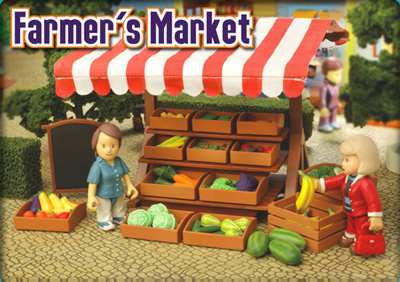
According to the United States Department of Agriculture, the arrival of farmers markets around the United States have more than doubled over the past 12 years. Many chefs are finding that they are able to find fresher, tastier foods when they purchase their ingredients locally.
Chefs are finding that using multiple ingredients does not always make a dish better tasting than any other. Often times, the flavors are muddled and it is hard to determine how the original food concept began. Simple dishes like chicken flavored with salt and pepper which is then cooked over a wood burning stove has become a culinary delight in today’s world. Chefs are finding that when you use simple and fresh ingredients, you do not need to over season and smother dishes in savory sauces to cause people to take notice of their creations.
Food consultants agree that this new ingredient driven cuisine trend of using high quality and fresh seasonal ingredients from your particular region will enhance your meal and require less technical preparations. The end result, a fantastic meal that everyone will enjoy!
The new food trend among seasoned chefs has shown a shift in the creative tide. Many are returning to more simplistic creations that feature locally grown and all natural ingredients. Chefs are finding a new appreciation for the natural ingredients they use, while still enhancing their culinary creations. Once chefs understand the simple nature of ingredients, they can create different effects and amazing menus.
According to the United States Department of Agriculture, the arrival of farmers markets around the United States have more than doubled over the past 12 years. Many chefs are finding that they are able to find fresher, tastier foods when they purchase their ingredients locally.
Chefs are finding that using multiple ingredients does not always make a dish better tasting than any other. Often times, the flavors are muddled and it is hard to determine how the original food concept began. Simple dishes like chicken flavored with salt and pepper which is then cooked over a wood burning stove has become a culinary delight in today’s world. Chefs are finding that when you use simple and fresh ingredients, you do not need to over season and smother dishes in savory sauces to cause people to take notice of their creations.
Food consultants agree that this new ingredient driven cuisine trend of using high quality and fresh seasonal ingredients from your particular region will enhance your meal and require less technical preparations. The end result, a fantastic meal that everyone will enjoy!
Wednesday, February 4, 2009
Living In A Super-Sized World

My earliest memory of anything being “super-sized” was the Big Gulp from 7-11. As a teen, I thought paying a couple of pennies more for a fantastically sized Diet Coke was the best treat in the entire world. Much to my childish delight, in a very short time everywhere I looked; food and drink items were super-sized. There is no doubt that American’s love getting more bang for our buck, especially where food is considered.
In 2004, a national restaurant chain wanted to be recognized as a “healthy chain restaurant” by cutting back on serving sizes on some of their dishes. They even went so far as to print the nutritional information of their food on their menus, which was completely taboo for the time. The end result was that customers hated the new campaign. Within a matter of months, the menus returned to their previous state and those small portion sizes where thrown out the window.
In today’s world, some food portion sizes have been transitioning back towards what we should really be consuming. There are several theories as to the current shift in the tide in the food industry. Some believe that our ever expanding waistline has caused restaurants to want to help return our bodies back to normal sizes. Others believe that the shift is because of the state that our economy is currently in. It would stand to reason that restaurants would also want to cut back and trim the fat whenever possible. Let’s face it; we all need to save a buck wherever
we can these days.
Regardless of the spin you might want to accept, the end results are good for consumers. Many restaurants are now offering smaller portion sizes on their menus. The great news is that this new food trend will do more than help the belly bulge. Along with the smaller sizes have come reduced costs for consumers. Of course food business consultants are hoping that restaurants are on winning side of this new trend. They are hopeful that consumers will be hungry and thirsty enough at the end of their perfectly portioned meals to want to order dessert and cocktails; which holds a great profit margin for businesses.
You would be hard pressed to find a restaurant that did not offer nutritional information about the products that they sell in today’s market.
In 2004, a national restaurant chain wanted to be recognized as a “healthy chain restaurant” by cutting back on serving sizes on some of their dishes. They even went so far as to print the nutritional information of their food on their menus, which was completely taboo for the time. The end result was that customers hated the new campaign. Within a matter of months, the menus returned to their previous state and those small portion sizes where thrown out the window.
In today’s world, some food portion sizes have been transitioning back towards what we should really be consuming. There are several theories as to the current shift in the tide in the food industry. Some believe that our ever expanding waistline has caused restaurants to want to help return our bodies back to normal sizes. Others believe that the shift is because of the state that our economy is currently in. It would stand to reason that restaurants would also want to cut back and trim the fat whenever possible. Let’s face it; we all need to save a buck wherever
we can these days.
Regardless of the spin you might want to accept, the end results are good for consumers. Many restaurants are now offering smaller portion sizes on their menus. The great news is that this new food trend will do more than help the belly bulge. Along with the smaller sizes have come reduced costs for consumers. Of course food business consultants are hoping that restaurants are on winning side of this new trend. They are hopeful that consumers will be hungry and thirsty enough at the end of their perfectly portioned meals to want to order dessert and cocktails; which holds a great profit margin for businesses.
You would be hard pressed to find a restaurant that did not offer nutritional information about the products that they sell in today’s market.
Monday, February 2, 2009
Health Food Trend -- Tofu on the Menu

As health consciousness, environmentalism and the economy converge to shake up our lifestyles, it seems like a no-brainer to add tofu dishes to the menu—and not just as an alternative for vegetarians, but as a featured part of any restaurant’s fare.
Tofu’s health benefits were recognized centuries ago in the East and have slowly been gaining popularity in the West over the last few decades. Made from soy milk in a process much like that of making milk into cheese, tofu’s by-products are edible, and because it has almost no flavor on its own, it can be made into almost any kind of dish.
The health benefits include being low in calories, with beneficial amounts of iron (important for women of child-bearing age), with no saturated fat or cholesterol. Depending on the ingredients used, it can also be high in calcium (important for bone development and maintenance), or magnesium (especially important for athletes). And for women who need an estrogen boost, tofu contains soy isoflavones, which can mimic natural human estrogen.
Different consistencies of tofu can be adapted to fit any kind of dish. You can crumble firm tofu to replace the beef in Bolognese sauce, or mix it with taco seasoning. You can make a pseudo egg salad with crushed tofu, Nayoniasse (soy-based vegan mayo), celery, mustard, turmeric and seasonings. Silken tofu can be pureed and mixed with melted chocolate for creamy pies and pudding or mixed to create savory dips, sandwich spreads or a sour cream replacement. Use it to create non-dairy versions of cream soups, or slice and marinate firm tofu and then grill it, or bread it and fry it.
With so many options and health benefits, it is no wonder more and more restaurants are introducing healthy fare menus.
Tofu’s health benefits were recognized centuries ago in the East and have slowly been gaining popularity in the West over the last few decades. Made from soy milk in a process much like that of making milk into cheese, tofu’s by-products are edible, and because it has almost no flavor on its own, it can be made into almost any kind of dish.
The health benefits include being low in calories, with beneficial amounts of iron (important for women of child-bearing age), with no saturated fat or cholesterol. Depending on the ingredients used, it can also be high in calcium (important for bone development and maintenance), or magnesium (especially important for athletes). And for women who need an estrogen boost, tofu contains soy isoflavones, which can mimic natural human estrogen.
Different consistencies of tofu can be adapted to fit any kind of dish. You can crumble firm tofu to replace the beef in Bolognese sauce, or mix it with taco seasoning. You can make a pseudo egg salad with crushed tofu, Nayoniasse (soy-based vegan mayo), celery, mustard, turmeric and seasonings. Silken tofu can be pureed and mixed with melted chocolate for creamy pies and pudding or mixed to create savory dips, sandwich spreads or a sour cream replacement. Use it to create non-dairy versions of cream soups, or slice and marinate firm tofu and then grill it, or bread it and fry it.
With so many options and health benefits, it is no wonder more and more restaurants are introducing healthy fare menus.
Subscribe to:
Comments (Atom)


 Posts
Posts

